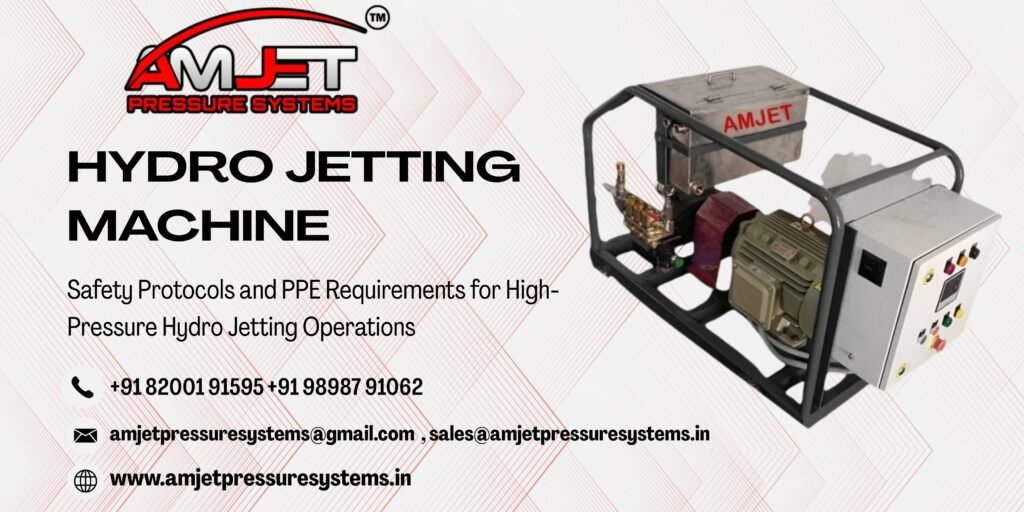
Safety Protocols and PPE Requirements for High-Pressure Hydro Jetting Operations
In industrial maintenance, construction, and municipal pipeline rehabilitation, operating a high-performance Hydro Jetting Machine delivers unmatched cleaning efficiency. However, the exact kinetic force that makes these machines so effective at stripping hard scale, concrete slurry, and grease plugs also represents a severe occupational hazard. Water streams operating at pressures from 300 bar to over 2800 bar possess enough concentrated energy to slice through materials and cause catastrophic human injury.
Establishing strict safety cultures, comprehensive operational protocols, and providing specialized personal protective equipment (PPE) are non-negotiable requirements for any plant manager or contractor. Understanding these safety standards ensures a zero-incident workplace while maintaining peak productivity.
Understanding the Dangers of High-Pressure Water Streams
Before implementing protective measures, crews must recognize the unique risks associated with high-pressure water systems:
High-Pressure Fluid Injection: The most dangerous hazard in water jetting is accidental skin or tissue penetration. A fine, high-velocity pinhole stream can puncture human skin instantly, injecting water and bacteria deep into subcutaneous tissue even without immediate external bleeding.
Dynamic Reaction Force (Kickback): When a high-pressure trigger gun or flexible lance opens, the sudden reactive thrust can throw an unbraced operator off balance, risking slips, falls, or loss of control over the live stream.
Flying Debris and Slurry: Dislodged scale, rust chunks, and concrete fragments ricocheting off interior pipe walls or concrete surfaces travel at dangerous velocities.
Essential Personal Protective Equipment (PPE) Checklist
Standard factory work clothes or basic hard hats are entirely insufficient for hydro jetting operations. Operators must wear specialized, certified high-pressure safety gear:
High-Pressure Body Suits / Aprons: Multi-layer aramid fiber (such as Kevlar) suits or specialized ballistic-weave aprons designed to withstand impact pressures up to 3000 bar without tearing.
Metatarsal Safety Boots: Steel-toed boots equipped with built-in metatarsal guards to protect the upper feet and ankles from accidental downward nozzle sweeps.
Full Face Shields and Safety Glasses: ANSI-rated polycarbonate face shields worn in conjunction with wrap-around safety glasses to deflect ricocheting debris and mist.
Heavy-Duty Industrial Hand Protection: Textured, puncture-resistant rubber or reinforced leather gloves that maintain a secure, non-slip grip on spray lances and hoses.
Operational Safety Protocols for the Job Site
Establish a Controlled Barricade Zone: Set up high-visibility warning tape and danger signs around the active work area to keep unauthorized personnel at a safe distance from the pump unit, pressure lines, and cleaning zone.
Inspect All Connections Before Pressurization: Verify that all quick-disconnect fittings, hose couplings, safety pins, and nozzle threads are locked securely before starting the motor. Never use worn or taped hoses.
Implement the “Dead-Man” Trigger Principle: Ensure all spray guns are equipped with functioning spring-loaded dump or shut-off triggers that immediately cut pressure the moment the operator releases their grip. Never tie down or bypass a trigger mechanism.
Gradual De-Pressurization: Always shut down the pump motor and open the manual pressure dump valve to bleed residual lines to zero before disconnecting any hoses or swapping out nozzles.
Conclusion
Safety is the ultimate foundation of any successful industrial cleaning operation. By combining well-maintained equipment with rigorous PPE standards and disciplined operational habits, your team can harness high-pressure power with complete confidence.
Explore our rugged lineup of heavy-duty Hydro Jetting Machines built with integrated safety features designed for demanding industrial environments.