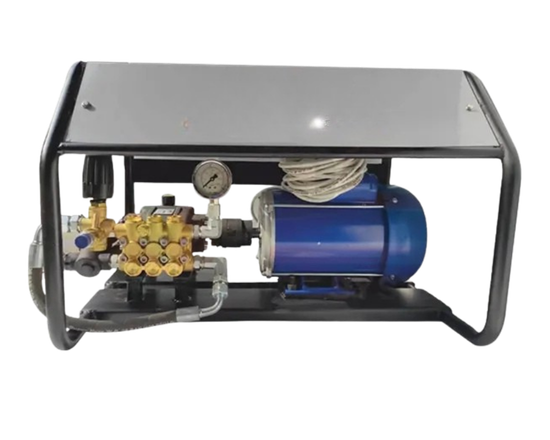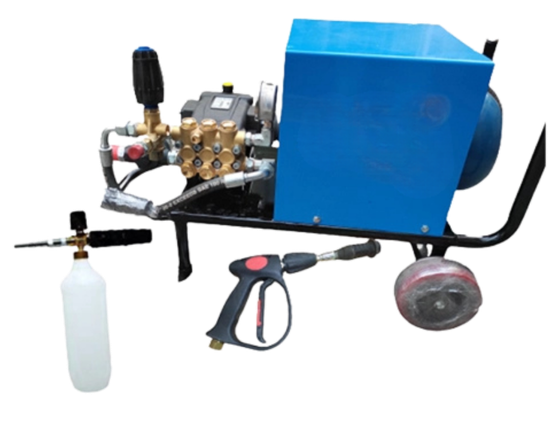
The Importance of Pressure Systems in Industrial Applications
In industrial applications, pressure systems play a crucial role in various processes and operations. These systems are designed to generate and control pressure, which is essential for the efficient functioning of many industrial processes. From manufacturing to energy production, pressure systems are used in a wide range of industries to ensure safety, productivity, and quality.
Enhancing Efficiency and Productivity
One of the primary benefits of pressure systems is their ability to enhance efficiency and productivity in industrial settings. These systems are used to power various equipment and machinery, such as pumps, compressors, and turbines. By providing the necessary pressure, these systems enable the smooth and continuous operation of these machines, resulting in increased productivity and reduced downtime.
For example, in a manufacturing plant, pressure systems are used to power hydraulic machinery, which is essential for tasks such as lifting heavy objects, bending metal sheets, and operating industrial robots. Without a reliable pressure system, these operations would be slow, inefficient, and prone to errors.
Maintaining Safety and Quality
Pressure systems also play a crucial role in maintaining safety and quality standards in industrial applications. In many industries, such as oil and gas, chemical, and pharmaceutical, pressure is used to control and regulate various processes. For instance, pressure systems are used to ensure the safe and precise delivery of chemicals in chemical manufacturing plants.
Moreover, pressure systems are also used in quality control processes. In industries such as food and beverage, pressure is used to test the integrity of packaging materials, ensuring that they can withstand the necessary pressure during transportation and storage. This helps prevent leaks, spoilage, and contamination, ensuring the safety and quality of the products.
Ensuring Reliability and Consistency
Reliability and consistency are crucial factors in industrial applications, and pressure systems play a vital role in achieving these goals. These systems are designed to provide consistent pressure levels, ensuring that the processes and operations are carried out with precision and accuracy.
For example, in power generation plants, pressure systems are used to control the steam pressure in boilers, which is essential for generating electricity. By maintaining a consistent pressure, these systems ensure the reliable and efficient operation of the power plant.
Furthermore, pressure systems are also equipped with safety features, such as pressure relief valves, to prevent overpressure situations. These features help protect the equipment, machinery, and personnel from potential damage or accidents, ensuring the reliable and safe operation of the industrial processes.
Conclusion
Pressure systems are an integral part of industrial applications, providing the necessary pressure to power equipment, maintain safety and quality standards, and ensure reliability and consistency. From manufacturing plants to energy production facilities, these systems play a crucial role in enhancing efficiency, productivity, and overall operational performance. Therefore, investing in high-quality pressure systems and regularly maintaining them is essential for the success of any industrial operation.