
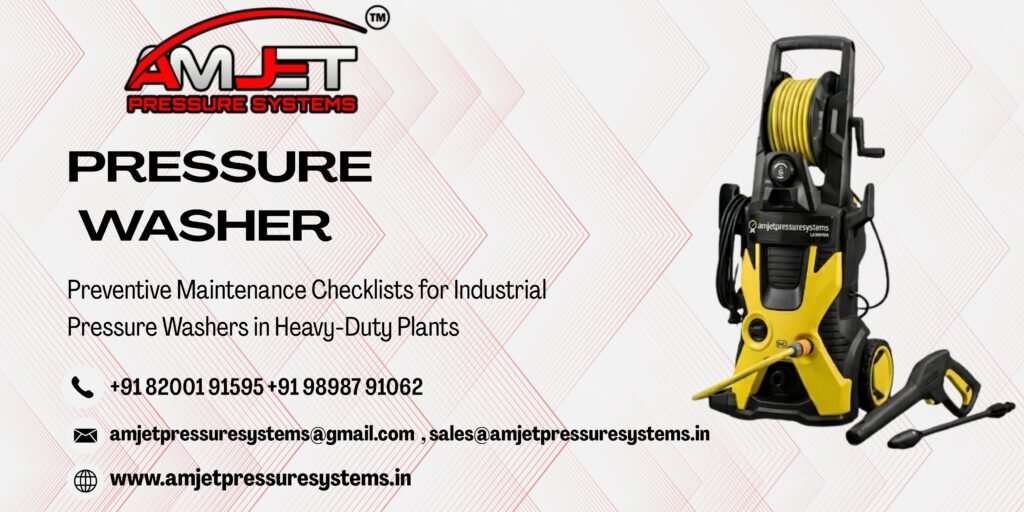
Preventive Maintenance Checklists for Industrial Pressure Washers in Heavy-Duty Plants
In heavy industrial manufacturing, fabrication shops, and large-scale maintenance facilities, an industrial Pressure Washer is a frontline workhorse. Whether it is stripping grease off heavy machinery, washing down production floors, or prepping components for assembly, downtime on your pressure-washing unit instantly disrupts operational workflows.
Too often, maintenance teams adopt a reactive approach—fixing the machine only after a packing blowout, pressure drop, or motor failure occurs. Implementing a structured preventive maintenance (PM) schedule ensures your equipment delivers consistent cleaning performance while avoiding expensive emergency repairs.
Daily Pre-Start Inspection Checklist
Before firing up the motor for a shift, operators should complete a quick, two-minute visual and physical check:
Check Crankcase Oil Level: Inspect the oil sight glass or dipstick on the pump power end. The oil should appear clean and amber-colored. If the oil looks milky or cloudy, it indicates water has leaked past the oil seals—stop operations immediately and service the seals.
Inspect Inlet Water Filter: Check the transparent inlet strainer bowl for trapped sand, algae, or rust flakes. A clogged filter starves the pump of water, triggering dangerous cavitation.
Examine Hoses and Trigger Guns: Look for outer cover cuts, bulging sections, or loose quick-connect fittings on high-pressure hoses and trigger assemblies.
Weekly and Monthly Maintenance Protocols
As operating hours accumulate, deeper mechanical inspections are required to protect critical internal components:
Inspect Unloader and Safety Valves: Test the unloader valve by releasing the trigger gun to ensure the system drops smoothly into bypass mode without chattering or pressure spikes. Verify that the secondary safety relief valve is clean and unblocked.
Check Plungers and High-Pressure Seals: Inspect the rear of the ceramic plungers for any signs of water weeping or dripping. Early detection of minor packing leaks prevents chemical wash-out and scoring on the plunger surface.
Change Pump Crankcase Oil: After the initial 50-hour break-in period for a new pump, change the crankcase oil completely. Thereafter, replace the oil every 300 to 500 operating hours using the manufacturer’s recommended synthetic or non-detergent industrial pump oil.
Seasonal and Storage Best Practices
Winterization and Freeze Protection: If your pressure washer is housed in an unheated facility during cold winter months, always flush the fluid end with a propylene glycol anti-freeze mixture or blow out all residual water using compressed air to prevent cracked brass manifolds.
Conclusion
A disciplined preventive maintenance routine turns your pressure washer into a reliable, long-term asset, protecting your operational budget from surprise repair bills.
Explore our rugged lineup of heavy-duty Pressure Washers engineered for maximum durability and low-maintenance performance across demanding industrial environments.